
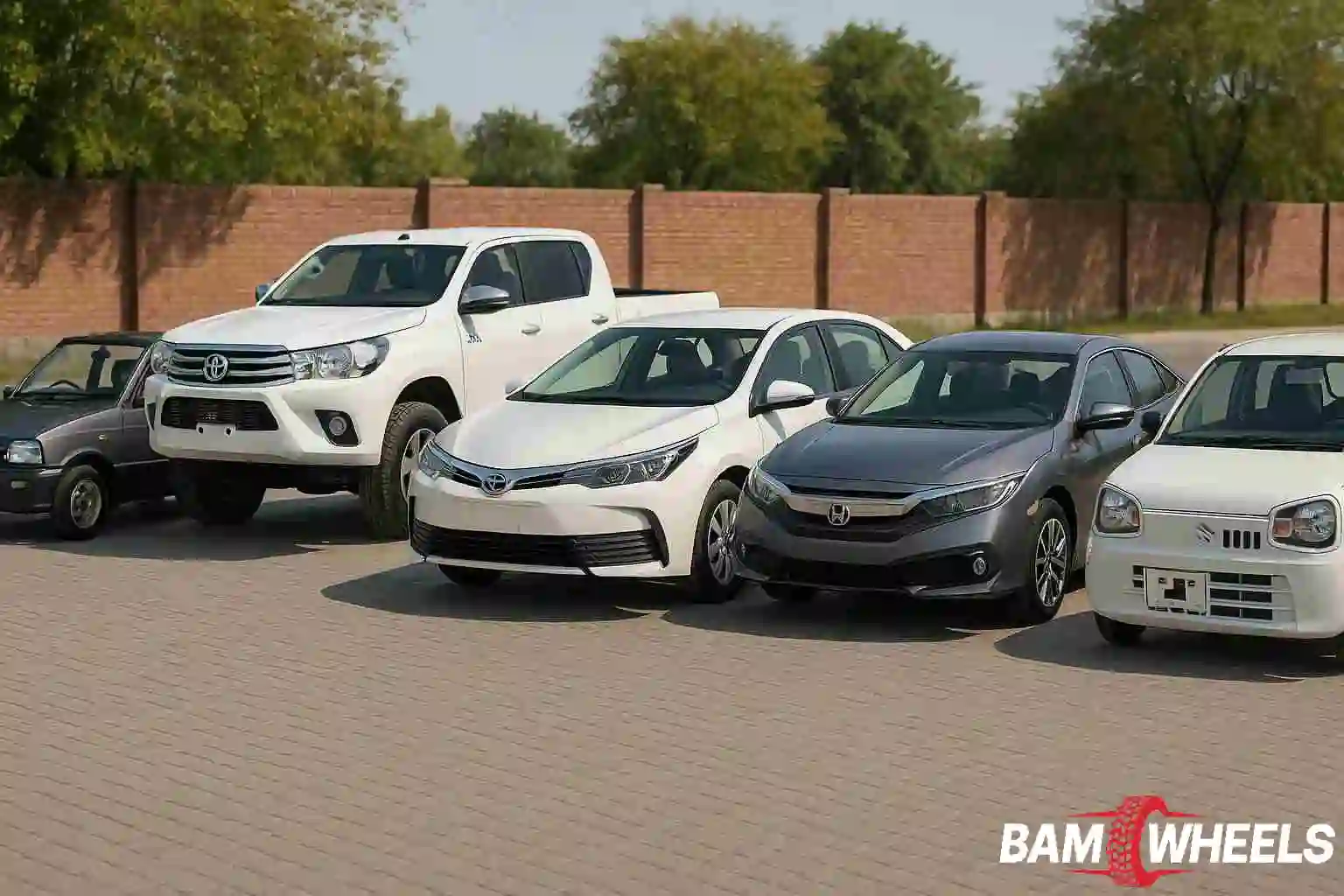

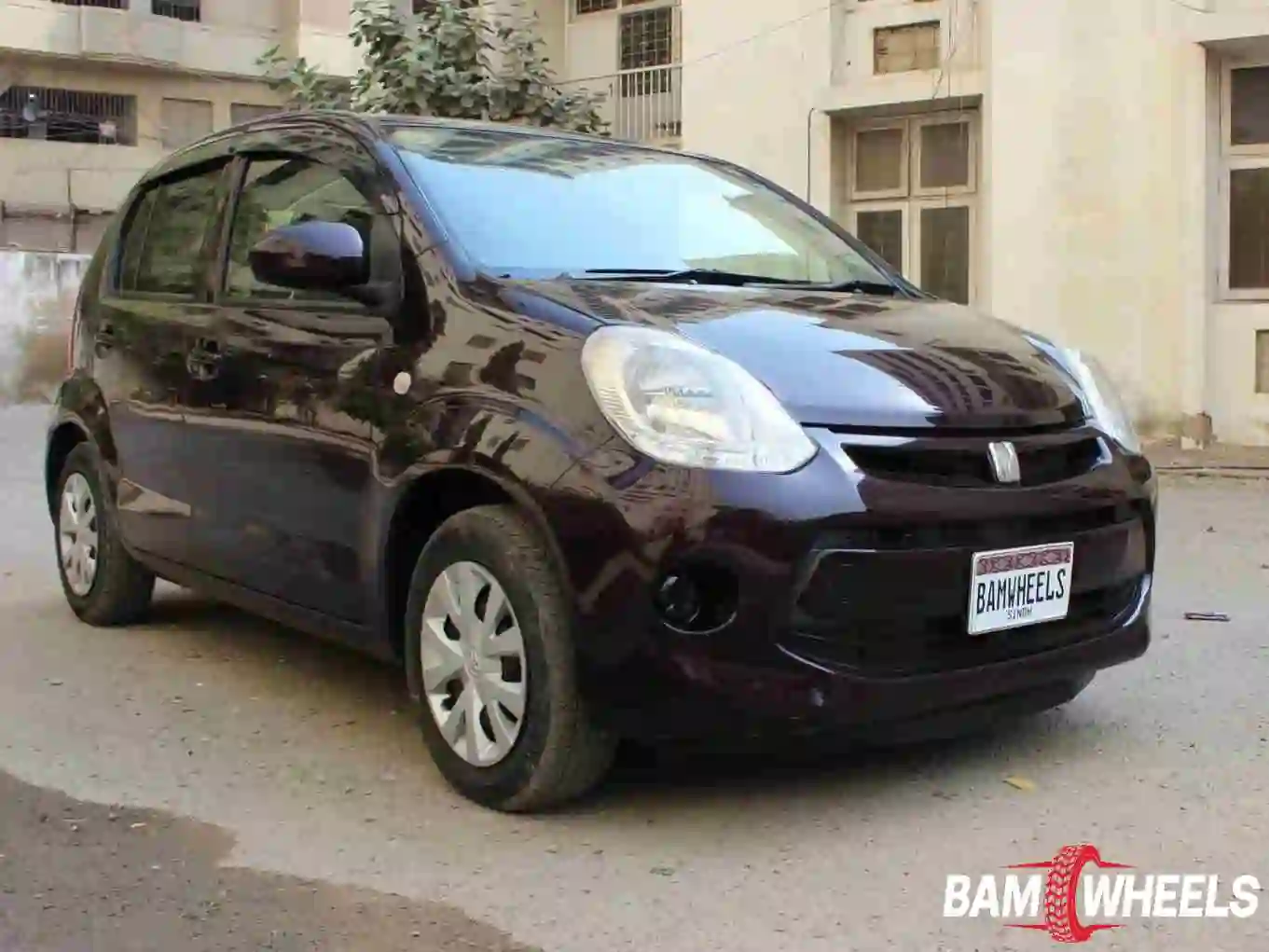
The influx of used Japanese cars into Pakistan has significantly impacted the local automobile industry. While these imports have provided consumers with a wider range of affordable options, they have also presented several challenges for domestic manufacturers.
Positive Impacts:
- Increased Consumer Choice: Used Japanese cars offer a diverse range of models, often at more competitive prices than locally manufactured vehicles. This expanded choice empowers consumers to select vehicles that best suit their needs and budgets.
- Technological Advancements: Many used Japanese cars are equipped with advanced safety features and fuel-efficient technologies that may not be readily available in locally produced models. This exposure to cutting-edge technology can drive innovation within the domestic industry.
Negative Impacts:
- Reduced Demand for Local Vehicles: The affordability and perceived reliability of used Japanese cars can lead to a decline in demand for locally manufactured vehicles, impacting sales volumes and revenue for domestic automakers.
- Disruption of Local Supply Chain: A decrease in demand for locally produced cars can disrupt the domestic supply chain, affecting parts suppliers, dealers, and related industries.
- Loss of Revenue and Employment: Reduced sales and production can lead to job losses and decreased government revenue from taxes and duties on locally manufactured vehicles.
- Impact on Local Industry Innovation: A decrease in demand can hinder the investment in research and development necessary to improve the competitiveness of locally produced vehicles.
Government Intervention and Policy Considerations:
To mitigate the negative impacts of used car imports, the government can consider the following strategies:
- Tariff and Non-Tariff Barriers: Implementing targeted tariffs or non-tariff barriers on used car imports can help protect the domestic industry.
- Incentivizing Local Production: Providing incentives such as tax breaks, subsidies, or reduced regulatory burdens can encourage domestic manufacturers to enhance their competitiveness.
- Promoting Technological Upgradation: Supporting research and development initiatives to improve the quality, fuel efficiency, and safety features of locally produced vehicles.
- Enhancing After-Sales Service: Improving the quality and accessibility of after-sales services for locally manufactured vehicles can help retain customer loyalty.
- Consumer Awareness Campaigns: Educating consumers about the long-term costs of ownership, including maintenance and repair expenses, can help level the playing field.
By carefully balancing the interests of consumers, domestic manufacturers, and the economy, the government can formulate policies that promote a sustainable and competitive automotive industry in Pakistan.